

Most builders only insulate exterior walls. That’s why you hear every flushing toilet, TV, and teenager through the interior walls.
The fix is to insulate the interior walls too and if the budget’s tight, start where it matters most …

Bedrooms
This would be high on my list.
Insulating the walls around bedrooms helps cut down on sound traveling both directions. You’re less likely to hear the TV and kitchen noise when you’re trying to sleep, and everyone else doesn’t need to hear whatever your teenager is doing behind a closed door.
While you’re at it, I’d consider solid-core bedroom doors. They’re heavier and solid all the way through versus the hollow-core doors builders commonly use.

Bathrooms
I’d prioritize walls shared with bedrooms, kitchens, dining rooms, or other common areas. Insulation won’t magically make the bathroom silent, but it can help reduce how much sound passes through those walls.
If plumbing noise is a concern, this is also a good time to talk to your builder about pipe locations. There’s only so much wall insulation can do if noisy plumbing is running directly against the wall behind your headboard.

Laundry Room
Your washer and dryer can make a surprising amount of noise, especially during the spin cycle.
If the laundry room shares walls with a bedroom, living room, or home office, I’d put sound insulation there before drywall.
It’s a relatively simple upgrade while the walls are open. Trying to improve those same walls after you move in means tearing into finished drywall.

Home Office
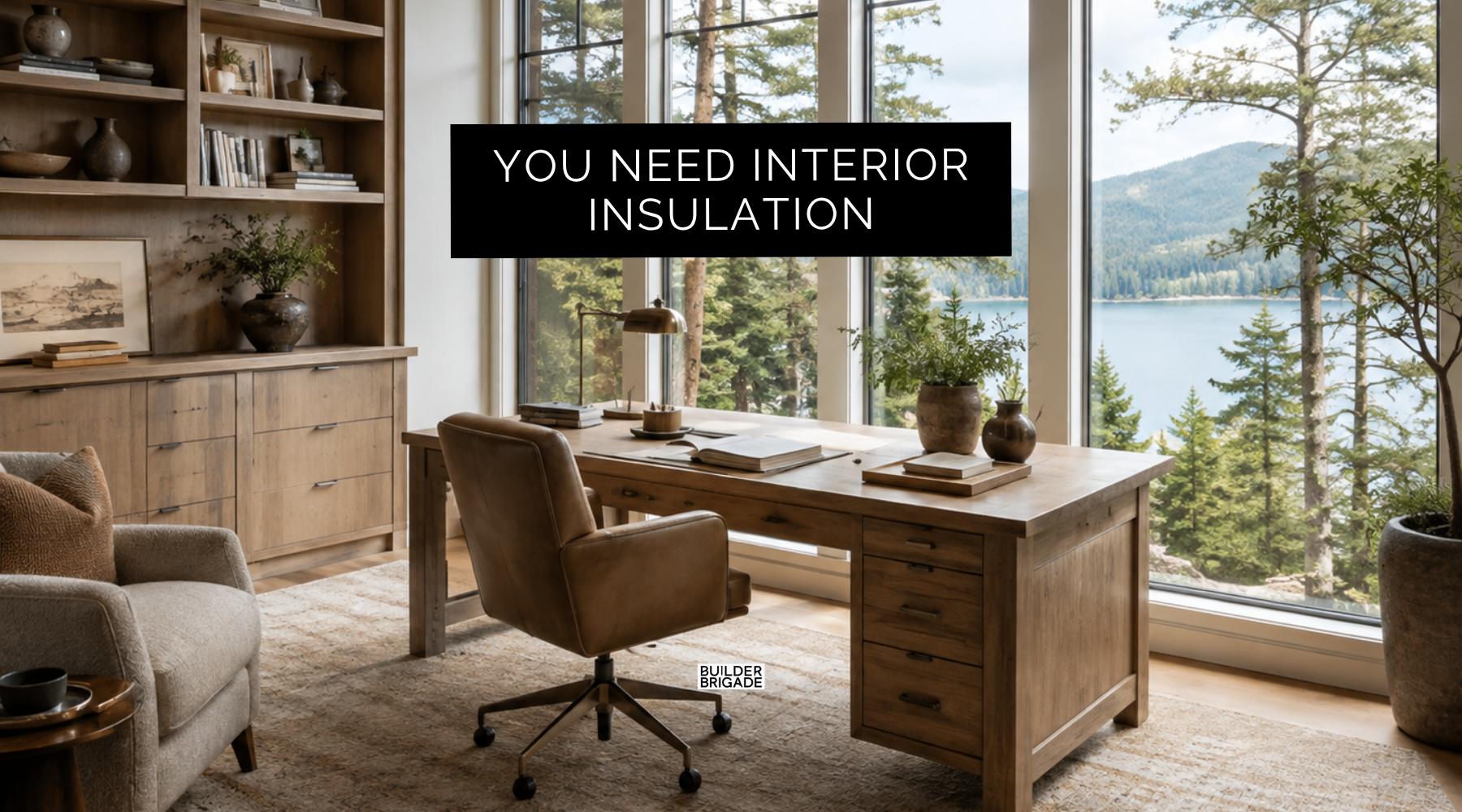
If you work from home, don’t forget this room.
Sound insulation helps in both directions. Your calls and meetings don’t travel through the house as easily, and the TV, kitchen, kids, and everything else happening outside your office are less distracting.

Do It Before Drywall
This is one of those upgrades you either do now or wait until you do a heavy renovation many years into the future.
When the studs are open, adding sound insulation is pretty straightforward. It’s not even an option after, the cost and headache isn’t worth it.
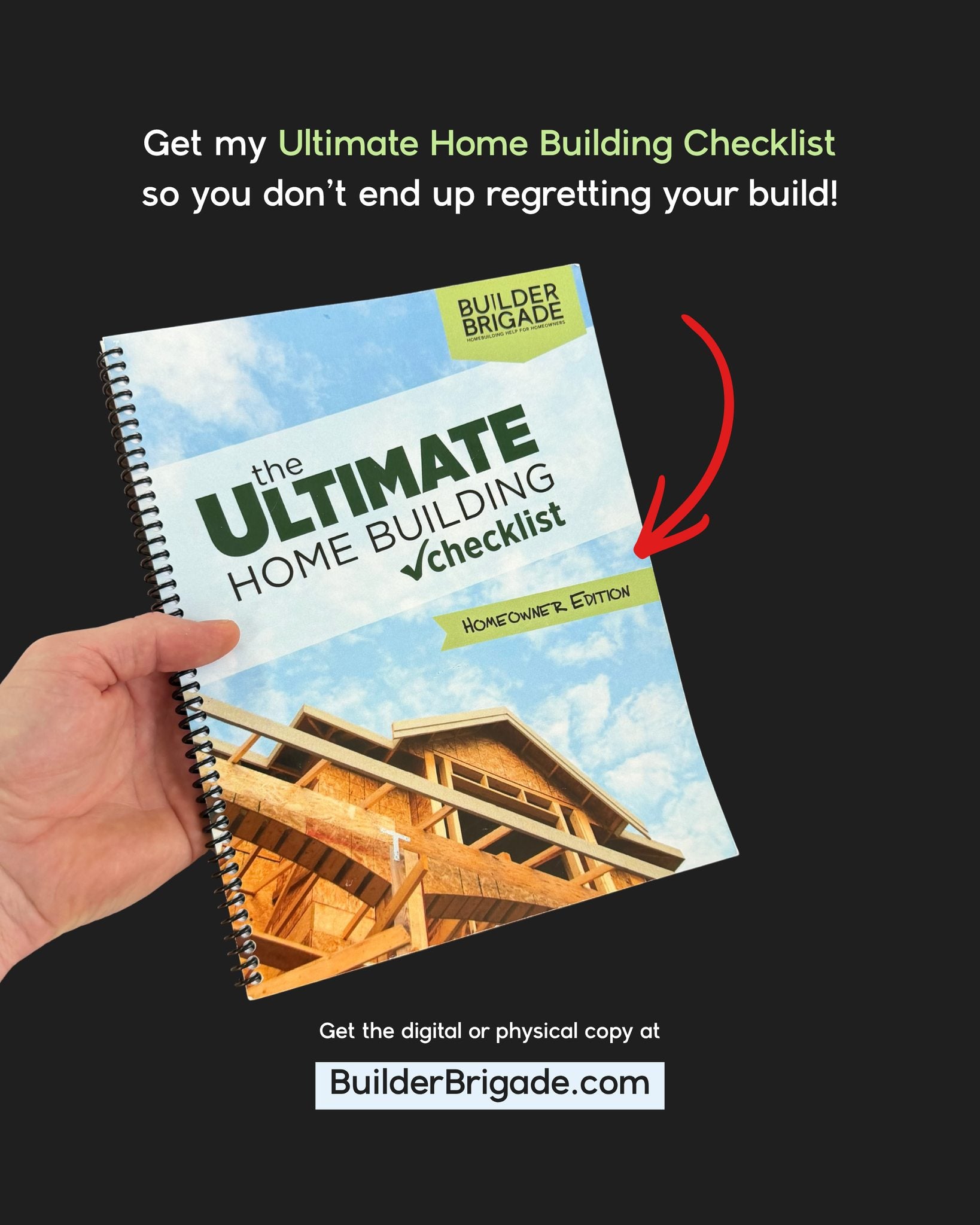
That’s why I have details like this organized by construction phase inside my Ultimate Home Building Checklist. You don’t need to remember hundreds of little upgrades at once. You just need to know what matters before they cover it up.