

When building a new home, one of the most important decisions you'll make is choosing the right exterior wall construction. The three most popular options are block, ICF, and wood frame. Each has its pros and cons, so let's break down which might be best for your new build.
ICF – Insulated Concrete Forms
In my opinion, ICF is the gold standard for exterior walls. These walls are built using foam blocks that are filled with solid concrete, offering both strength and energy efficiency. The final product is a solid poured wall with foam insulation on both sides, keeping your home cooler in the summer and warmer in the winter. Plus, they provide excellent soundproofing and are incredibly strong, which is why they’re often used in areas prone to extreme weather.
However, ICF construction is the most expensive option. It’s also not as common, so depending on your location, you might struggle to find a construction crew experienced in working with ICF. If you can find the right team, though, the long-term energy savings and durability could make this investment well worth it.
Block – Strong and Reliable
If you live in the Southeast, especially in hurricane-prone areas like Florida, you're probably familiar with block construction. Block walls are made from concrete blocks and are known for their durability and ability to withstand high winds, second strongest to solid poured walls (ICF). Still plenty effective at protecting homes during severe weather.
One downside to block wall construction, it's not as energy-efficient as other options. In Florida, you’ll typically only see thin foam sheets applied to the interior block walls. You can combat this by adding additional exterior insulation but that comes with an additional cost of course. If you’re looking for a good meet in the middle between a solid poured wall (ICF) and wood frame, block is the way!
Wood Frame – The Popular Choice
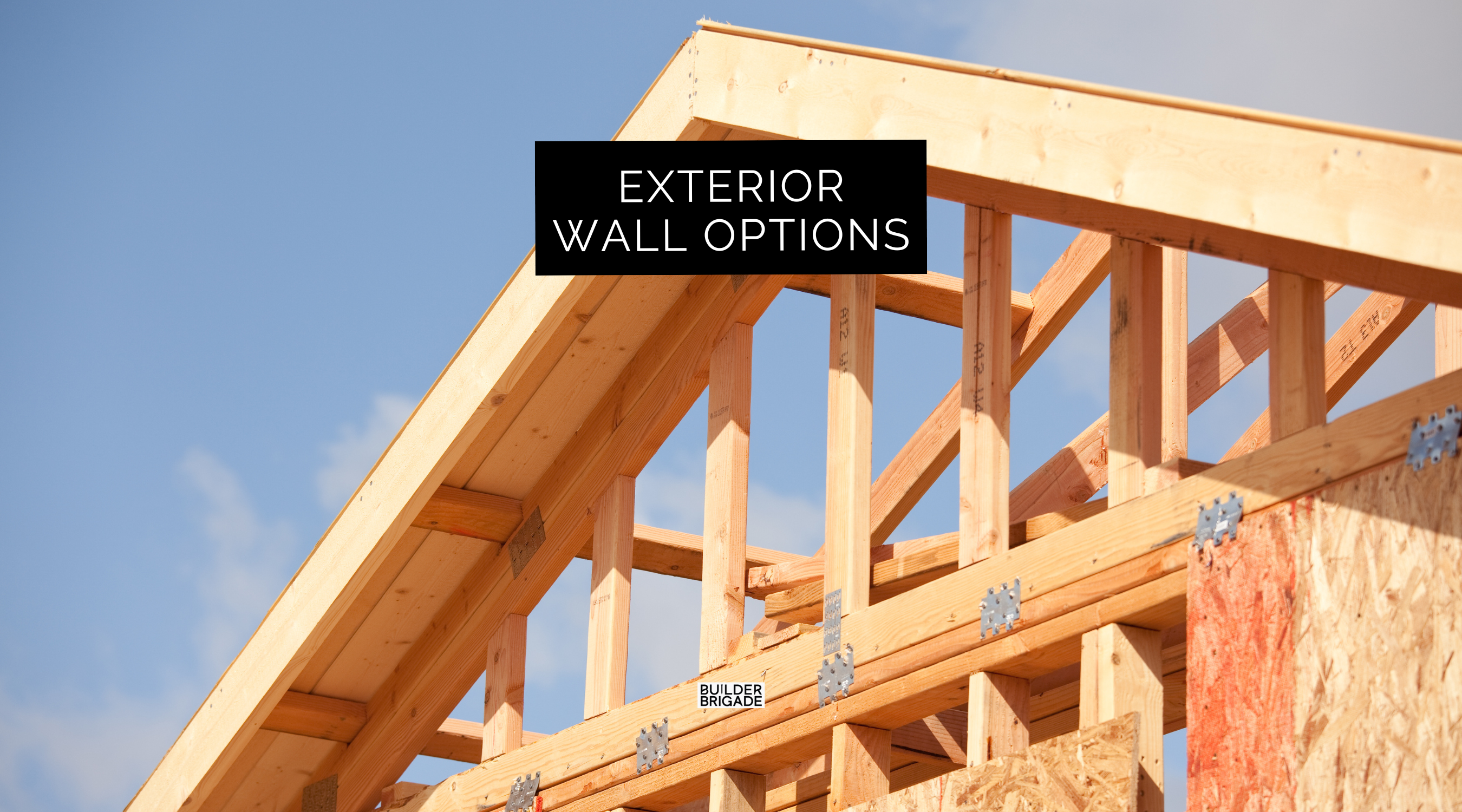
Wood framing is by far the most common type of exterior wall construction, and it’s easy to see why. It’s the most affordable option, and finding skilled labor to build a wood frame home is typically easier than with other materials. Wood also offers flexibility during the construction process, allowing for easier modifications or repairs down the line.
That said, wood framing comes with its own set of challenges. Wood is more susceptible to issues like fire, rot, and termites, but most of these risks can be managed with proper construction techniques and maintenance. If you're concerned about strength or insulation, you can opt for a 2x6 wall instead of the standard 2x4, which gives you more space for insulation. You can even take it a step further and install foam boards to the exterior sheathing, Zip-R is a great product with the foam already attached to the sheathing for easier installation.
Which Would You Choose?
Ultimately, the best exterior wall for your new construction depends on your budget, location, and priorities. If you’re after maximum energy efficiency and durability, ICF is hard to beat. If you live in an area prone to extreme weather and need to save a few bucks, block construction might be the safest bet. And if you want a cost-effective, versatile option, a wood frame is the way to go.
Want more tips and advice on home construction? Check out the Ultimate Home Building Checklist to make sure you’re prepared for every decision: https://builderbrigade.com/collections/home-building-checklists/products/the-ultimate-homebuilding-bundle