

As an Amazon Associate I earn from qualifying purchases.
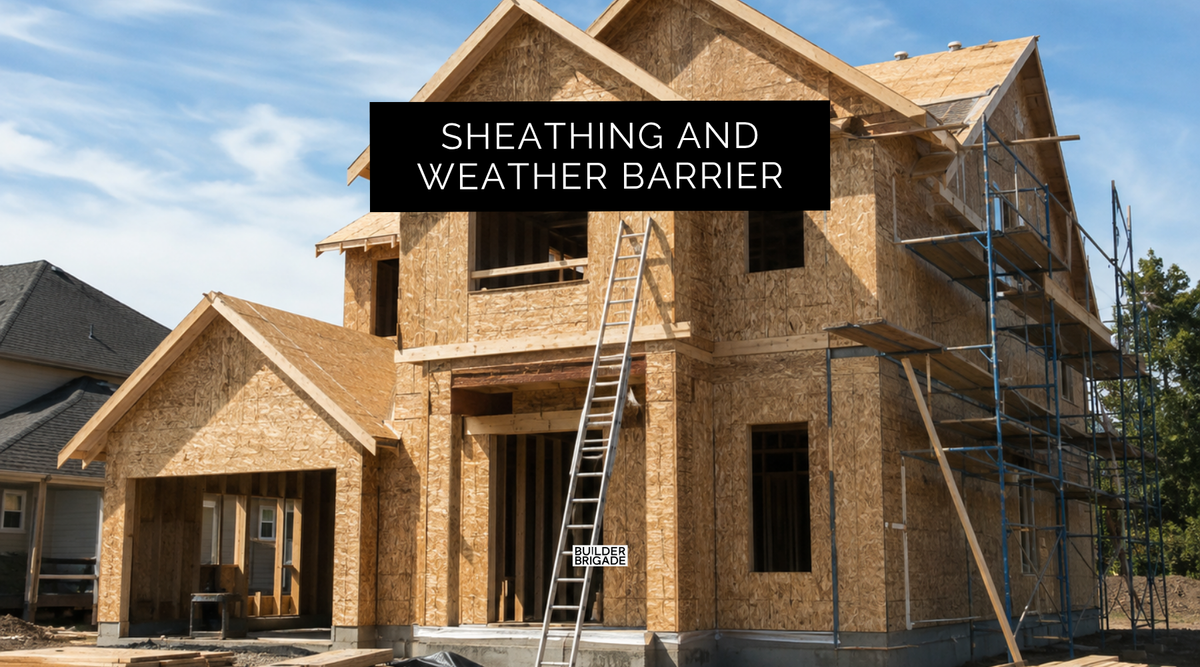
Your siding isn’t your last line of defense against water. The sheathing and weather barrier behind it are doing a whole lot more work than most people realize.
Here are your options for what goes behind your sheathing.

Traditional Housewrap
You’ve probably seen houses covered in Tyvek-style housewrap during construction.
It can absolutely work when it’s installed correctly. It goes over your exterior sheathing and creates a waterproof barrier before the siding goes on.
My issue with the traditional stuff is what happens to it on an actual job site.
By the time windows are installed, trades have been working around it, ladders have been leaned against it, and siding is ready to go on, that wrap can have tears, holes, and penetrations all over it.
A tear by itself isn’t the end of the world.
A tear that nobody bothers to repair before covering it up is what I’d be looking for.
If your builder is using traditional housewrap, I’d walk around the house before siding gets installed and any rips or tears are sealed with ZIP Tape.

Don’t Assume There’s Plywood Behind It
This one might be a surprise…
Not every new house gets plywood or OSB over the exterior walls.
There are other structural wall panels made from fiberboard, foam, and similar materials that can meet code when they’re installed correctly.
Personally, I’d rather have plywood or OSB.
Some fiberboard products feel more like really dense cardboard than what you picture when you hear “wall sheathing.” You’ll see them behind brick in some areas, and I’ve seen them used behind siding too.
That doesn’t automatically mean the house is being built wrong.
It just means I’d want to know exactly what my builder plans to use before framing starts, instead of discovering it after a truckload shows up.

ZIP System or LP WeatherLogic
This is where I’d spend the upgrade money.
Systems like ZIP System or LP WeatherLogic combine structural sheathing with a built-in house wrap.
Instead of installing sheathing and then wrapping the entire house with a separate layer, the weather barrier is built into the panel. The seams are then taped to create a continuous barrier.
You get solid sheathing and your weather barrier in the same system.
It’s got built-in moisture protection and it costs more than traditional housewrap, but offers better long-term protection when properly installed.
That’s the direction I’d lean.

If You Use ZIP, Watch the Tape
ZIP tape is supposed to be rolled after it’s applied. Not just slapped over the seams and forgotten about.
Rolling the tape helps activate the adhesive and is part of properly sealing the system. Skipping that step can affect water sealing and warranty coverage.
So if you’re paying extra for a better wall system, make sure you’re actually getting the installation that goes with it.

Make Exterior Sheathing Choices Effortless
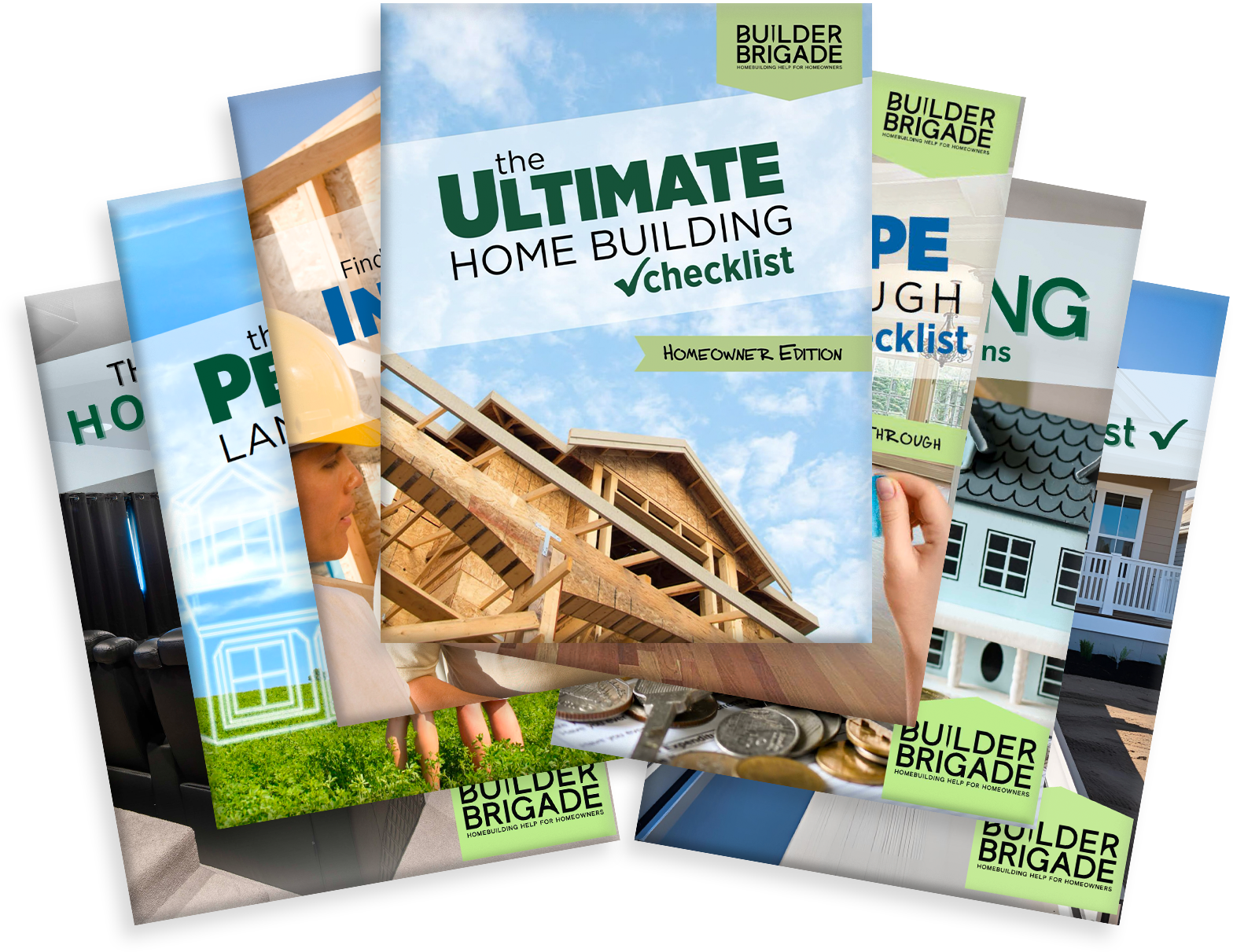
The Ultimate Home Building Checklist has you decide your exterior sheathing material, sheathing thickness, weather-barrier system, and installation details during your build.
You’re going to make hundreds of decisions about the stuff you can see in your finished house. My checklist helps you remember the stuff you’ll never see again once they cover it up.