

As an Amazon Associate I earn from qualifying purchases.
Most new pool owners learn pool care the expensive way. One green pool, one $400 pool store run at a time. We asked 187 pool owners for the single best tip they ever learned... and the answers were surprisingly consistent.
What's the single best pool maintenance tip?
Test and balance your own water every week with a real drop-based test kit, and use liquid chlorine instead of tablets. That one habit came up more than any other in the thread, in a dozen different forms. Once you know your own numbers, you stop guessing, you stop overbuying chemicals, and your pool stays clear. Everything else on this list flows from that.
Why do experienced pool owners say stop using chlorine tablets?
Chlorine tablets contain a stabilizer called CYA (cyanuric acid), and every tab you toss in adds more of it. CYA never evaporates or filters out. Once it climbs past roughly 50 to 70 ppm, your chlorine gets 'locked up' and stops killing algae, no matter how much you add. That's the moment most owners panic and start buying shock by the case. The fix is simple: use liquid chlorine for your regular dosing, and save tabs for the rare times your CYA actually needs a bump. Multiple owners in the thread called this the tip that changed everything.
What order should I balance pool chemicals in?
CYA first, then alkalinity, then pH, then chlorine. In that exact order. One commenter spelled it out word for word, and it's the same sequence the popular Trouble Free Pool method teaches. The reason is that each number affects the one after it. Alkalinity acts as a buffer that keeps pH from bouncing around, and pH controls how well your chlorine actually works. Balance out of order and you'll chase your tail all week, adding chemical after chemical to fix a problem you created two steps ago.
One commenter noted that sometimes just dropping pH from 7.8 to 7.2 is enough for existing chlorine to start working again. And ditch the test strips... a proper drop-based Taylor test kit costs more up front but tells you what's actually in the water instead of a color you squint at.
How long should I run my pool pump?
The most common answer: 8 to 10 hours a day, and one clever rule of thumb was to run the pump one hour for every hour of direct sun on the water. Circulation is free chemistry. Moving water distributes chlorine, feeds the filter, and starves algae of the still, warm corners it loves.
Several owners said running the pump longer than they thought necessary actually saved them money on chemicals. A pump pulling 1,500 watts costs roughly $1.50 to $2.00 a day at typical rates... a lot cheaper than a $90 algae recovery weekend. Add $10 skimmer socks to catch fine debris before it reaches your filter, and change them every few days (daily during pollen season).
Are robot pool cleaners worth the money?
Based on this thread, yes... overwhelmingly. Owners called their Dolphin and similar robots 'the best money I've ever spent,' and one ran hers three days straight before the basket finally came out clean. The math is hard to argue with. A weekly pool service often runs $100 to $200 a month for a five-minute visit, while a $700 to $1,500 robot pays for itself within a season and cleans as often as you want. Pair it with skimmer socks and fine debris stops reaching your filter at all. One owner spends under 20 minutes a week total and says his pool looks better than his neighbor's professionally serviced one.

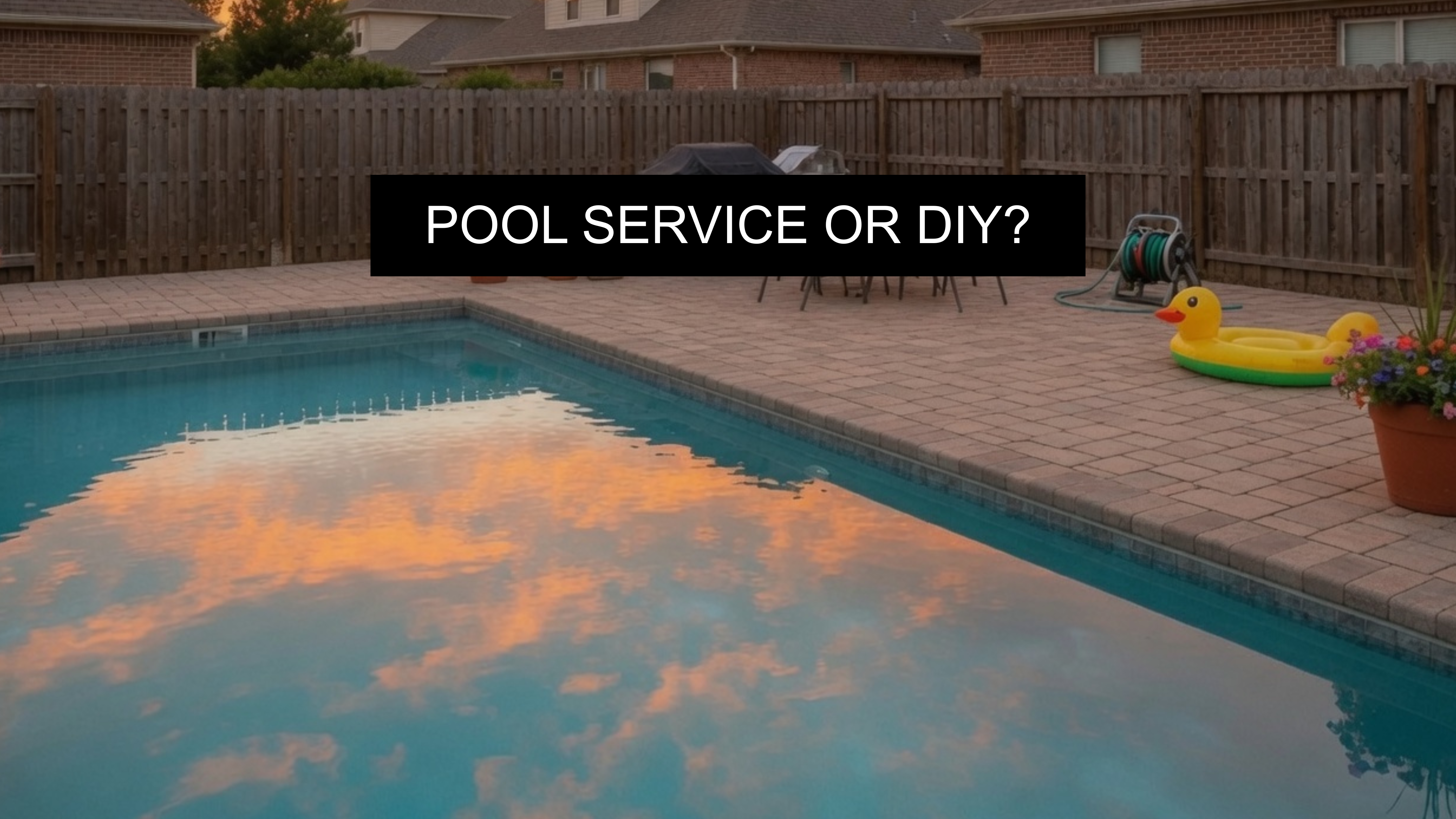
Should I trust the pool store or do it myself?
Here's the contrarian take the thread kept circling: the pool store's free water test is a sales tool, not a service. Owner after owner said the store's advice led to carts full of specialty chemicals they never needed. The DIY crowd runs their pools on four or five cheap basics: liquid chlorine, muriatic acid, baking soda, and a good test kit.
To be fair, a few owners love their small, family-owned pool shop, and a 35-year pool pro in the thread pushed back that DIYers often don't use enough chlorine. The honest middle ground: learn to test your own water, then you'll know whether any advice (paid or free) actually matches your numbers.
What Real Pool Owners Are Saying:
“Measure (and adjust the levels where necessary) CYA, alk, pH, Chlorine (in that exact order).”
The testing order matters more than most owners realize, and this commenter nails the sequence.
“Trouble free pool method. Dont listen to pool store employees. Liquid chlorine, muriatic acid, baking soda, shock and DE [diatomaceous earth] are all you really need. I spend less than anyone I know in chemicals.”
One owner's entire chemical shelf, and proof that a simple system beats a cart full of specialty bottles.
“I spend <20 minutes per week cleaning filter, managing chemicals, and brushing as needed. A suction robot vac runs daily and pays for itself within a few months... My pool consistently looks better - clear and blue!”
Real numbers on the DIY-plus-robot approach that kept coming up in the thread.
“Exactly! Pool company here for 35 years. When people take care of their own pools they never use enough chlorine”
A pro's take on the single most common DIY mistake.
“Throw away the test strips! Buy a Taylor test kit. Preferably one that has the DPD test for chlorine in it.”
Accurate testing is the foundation everything else in this post sits on.
How should you test your pool water?
Buy a proper drop-based kit like the Taylor K-2005 (around $75 to $90, and it pays for itself the first time it stops a bad pool store diagnosis). Test in a consistent order: CYA, then alkalinity, then pH, then chlorine, because pH and alkalinity affect how well your chlorine works. Several owners test the same day every week, which turns chemistry from a crisis into a five-minute habit.
Test Your Own Water, Trust Your Own Numbers
Every clear pool in that thread traces back to the same habit: an owner who tests weekly, doses with liquid chlorine, and keeps the water moving. Learn your numbers and the pool takes 20 minutes a week... skip them and it takes your whole summer.
If you're building a home with a pool (or planning one), grab the Ultimate Home Building Checklist so the equipment, plumbing, and maintenance decisions get made right the first time.