

Some features look like a no-brainer during the build.
Then you live with them and realize they don’t actually perform the way you expected.
Here’s what consistently disappoints.
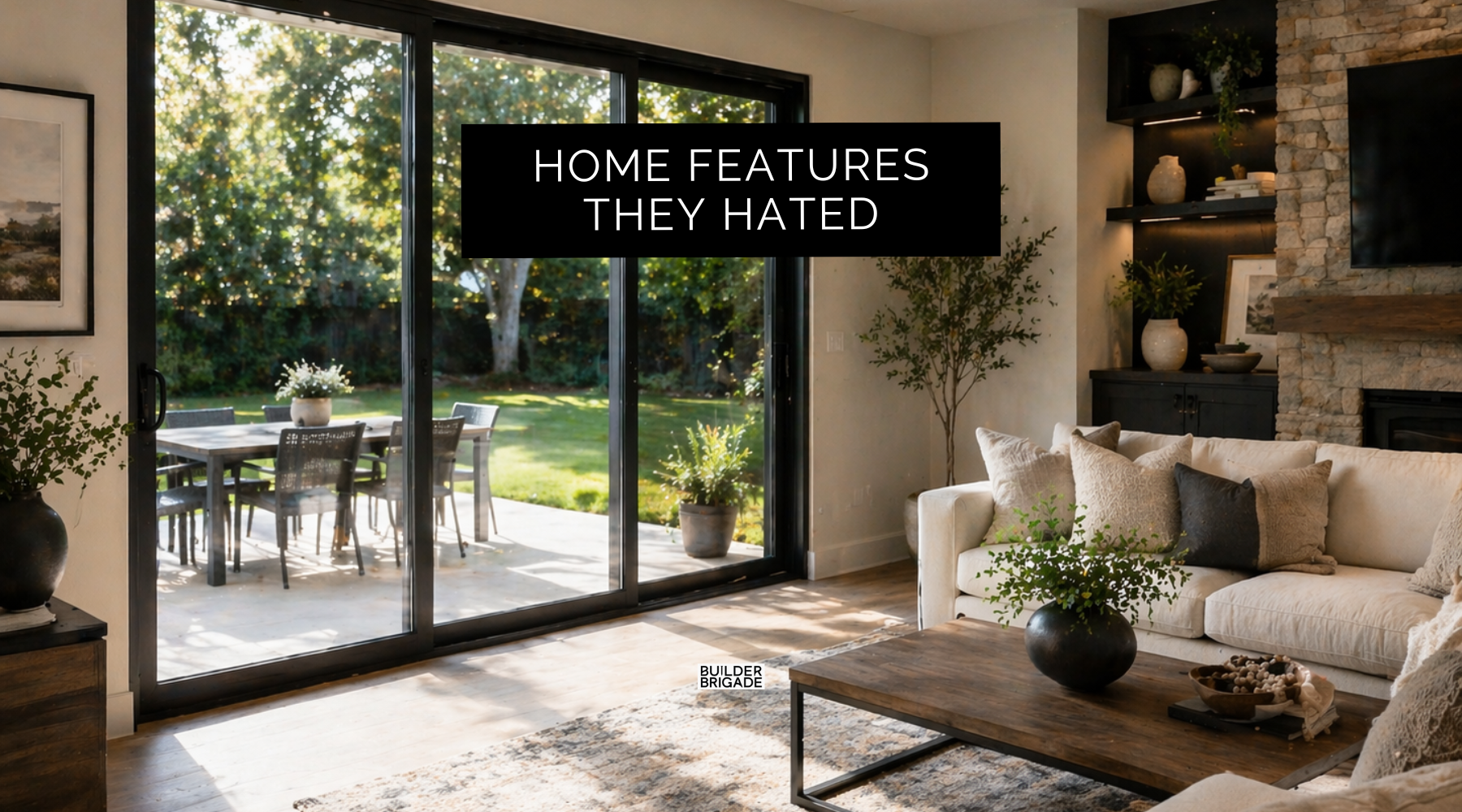
Sliding Glass Doors
They look sleek, but performance is where they fall short.
They’re typically less secure than hinged doors, the seals wear out faster, and insulation isn’t as strong especially in extreme climates. Large panels also tend to flex slightly over time, which affects operation.
A lot of people end up wishing they went with French doors or a higher-end multi-slide system that feels more solid and seals better.

Quartzite and High-Maintenance Stone
Looks incredible. Acts high-maintenance.
Quartzite and other natural stones can stain easier than expected, especially around sinks and high-use areas. They also require regular sealing, and if you skip it, you’ll see it.
It’s not that they’re bad, it’s that they demand attention. If you want something you don’t have to think about, this isn’t it.

Skylights
Great idea until they’re not.
They bring in light, but also heat, glare, and long-term risk. Leaks are more common than people expect, especially as seals age. Direct sunlight at the wrong time of day can also make spaces uncomfortable.

Stained Concrete Floors
Looks modern online. Feels unfinished in person.
The biggest issue is inconsistency. Color variation, patchiness, and surface imperfections show up after install. And once it’s done, fixing it isn’t simple.
If something cracks, chips, or stains, you’re not spot-fixing it cleanly. You’re living with it or redoing large sections.

Matte or Flat Wall Paint
Looks clean for about a week.
Then real life hits. Every scuff, fingerprint, and mark shows immediately and cleaning it usually makes it worse. High-traffic areas start looking worn fast.
Great for photos. Not great for durability.

Linear Shower Drains
Modern look, but more things can go wrong.
They require precise installation to drain properly. If the slope isn’t perfect, water sits where it shouldn’t. Long-term durability can also be an issue depending on the system used.
They can look good when done right but the margin for error is small.

Floor Outlets
Sounds useful. Rarely is.
They only work if the furniture layout is perfect and that usually changes. Miss the placement by even a little, and it becomes useless or awkward.
Most end up covered by furniture or ignored completely.

Electric Fireplaces
Looks convincing until you turn it on.
They lack real heat output and the flame effect rarely feels authentic in person. It ends up feeling more like a visual feature than something functional.
Takes up space that could’ve gone to something with actual impact, like gas or wood.

Oversized Showers
Bigger isn’t better here.
Large showers struggle to hold heat, especially with standard shower heads. You end up with cold spots and a space that never quite feels comfortable.
On top of that, there’s more tile, more glass, and more surface area to clean and most of the extra space doesn’t get used.

Pocket Doors
These are good in theory but frustrating in practice.
They’re often left open, which defeats the purpose. When something breaks, repairs mean opening the wall. Hardware issues are common, especially with locks.
And you lose usable wall space which means no mounting TVs, shelving, or anything heavy.

Plan Better, Not Just Trendier
A lot of these features look great during the design phase.
But performance, durability, and daily use are what actually matter once you move in.
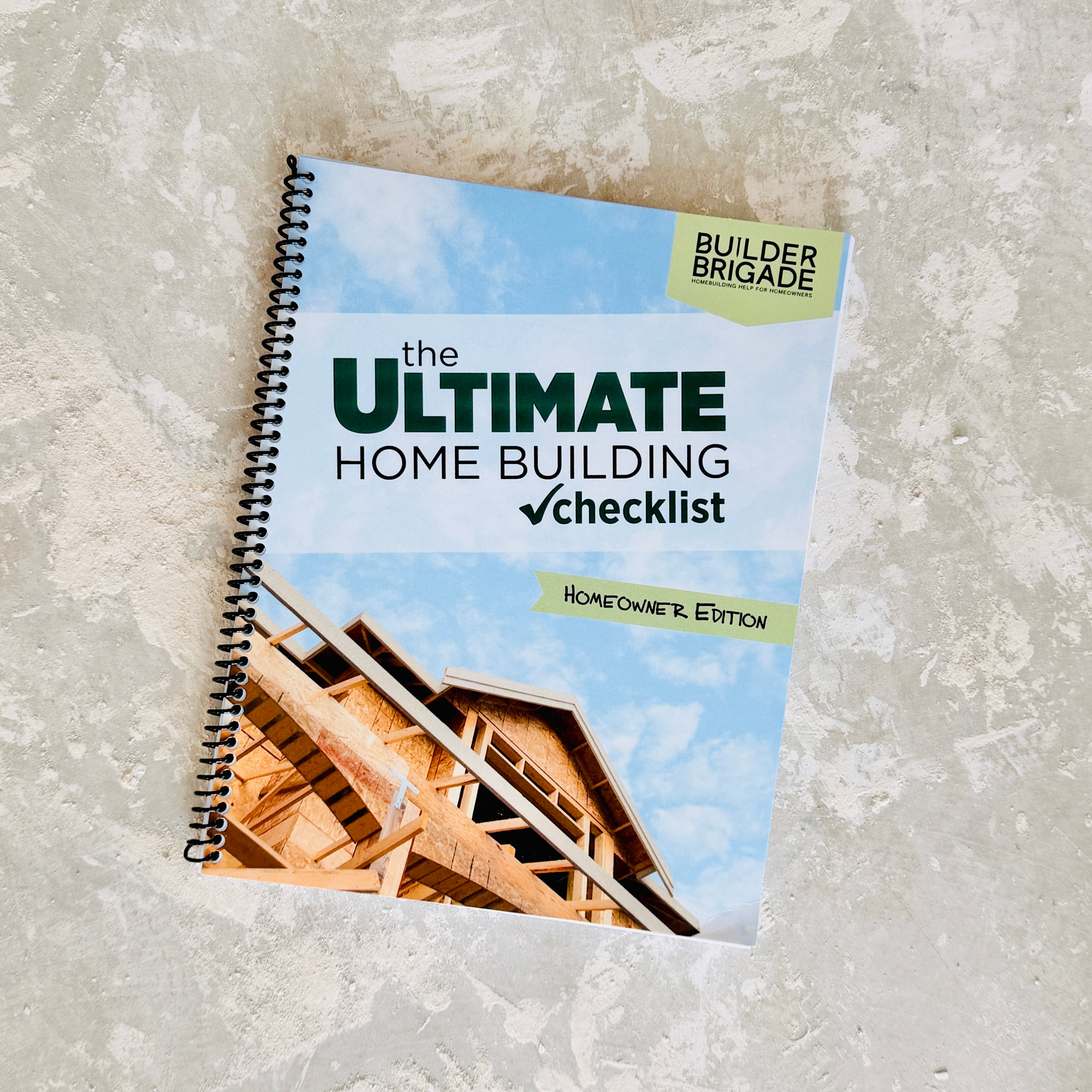
The Ultimate Home Building Checklist walks you through these choices in the right order, so you don’t end up paying for things that look good on paper but don’t hold up in real life.