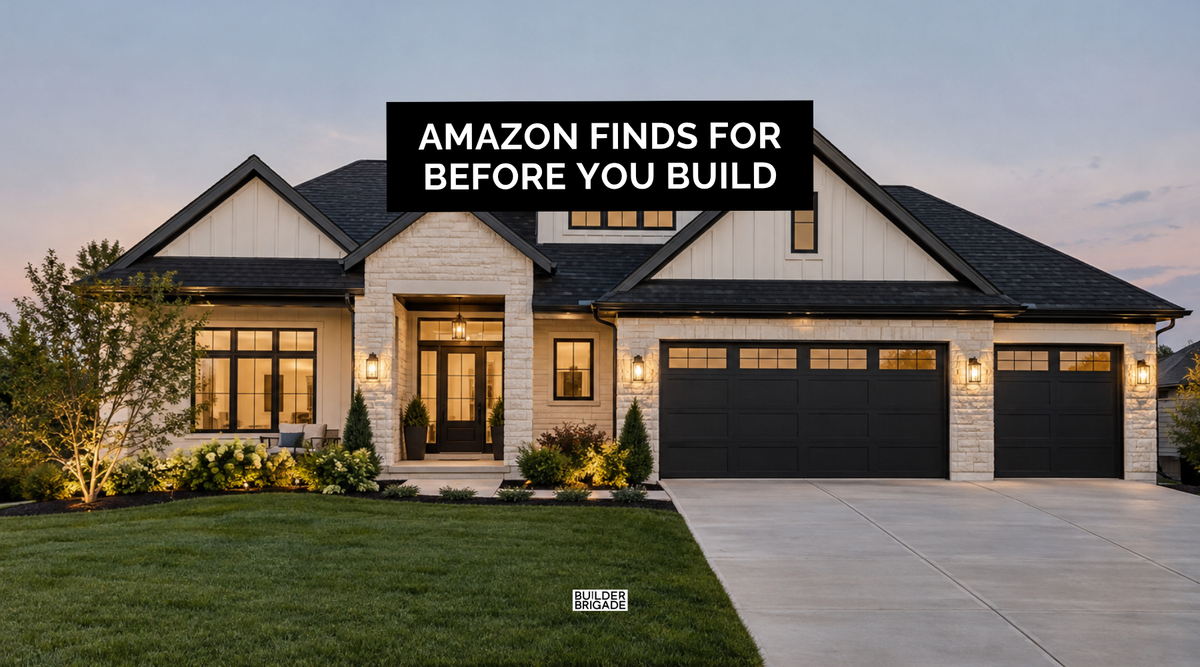


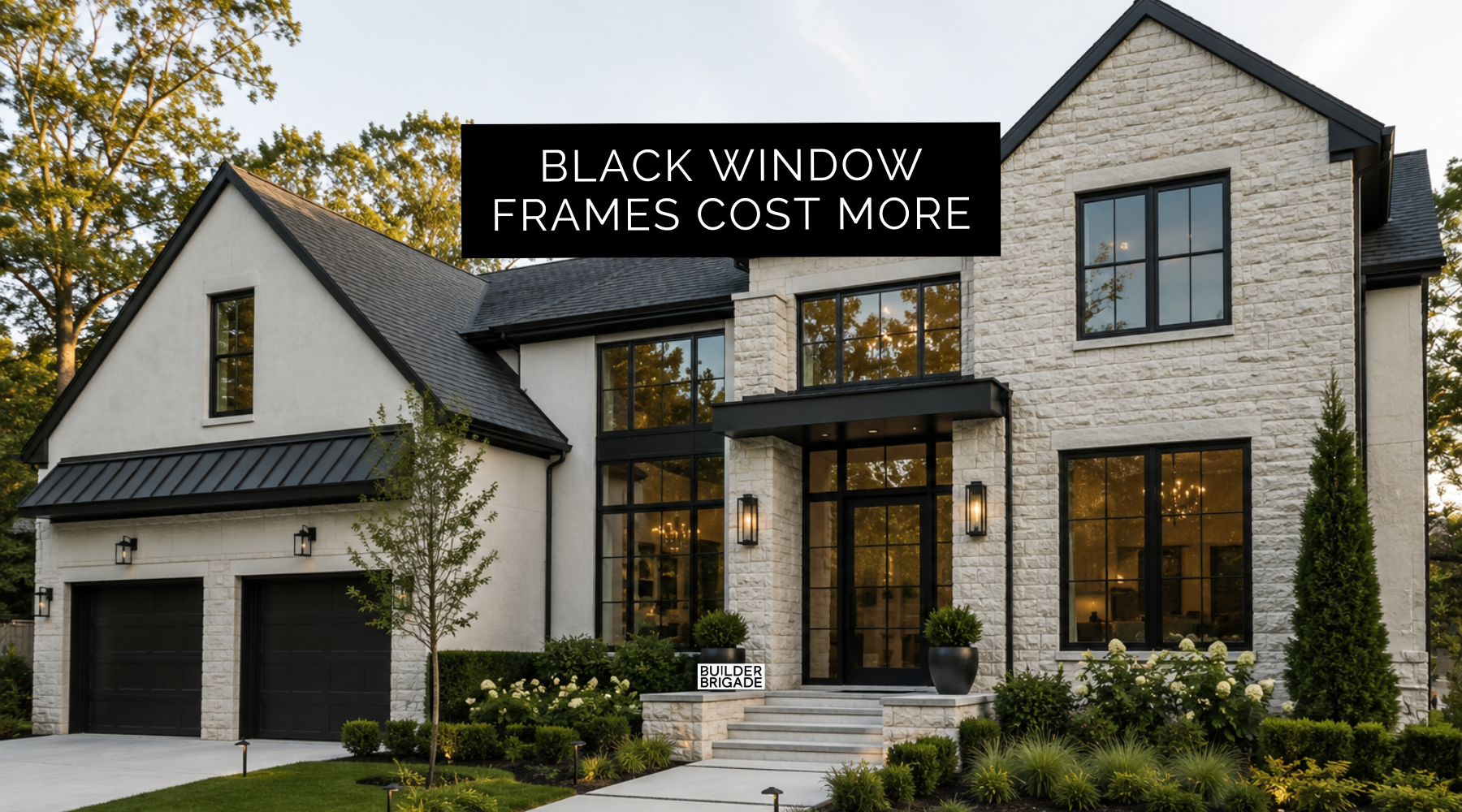
Black windows look better. No argument there.
But then you get the quote and it’s 10–25% higher than white.
That’s not random. There are real reasons behind it and here’s why …
They’re Not Made Black
Most window materials don’t start black.
They come off the production line white, especially vinyl and fiberglass. Black isn’t the default, it’s an added finish.
That means every black window is essentially a modified version of a standard product.
More work from the start.

Extra Processing Adds Cost
To get that black finish, manufacturers have to add additional steps.
That could be painting, coating, or laminating the frame depending on the material. Each of those processes requires more labor, more materials, and more time.
And in construction, every added step shows up in the price.

Sometimes They Leave the Factory
In some cases, the windows aren’t even finished in the same place they’re made.
They get produced, then sent out to another facility for finishing, then shipped again to the job site.
That adds handling, shipping, and time which all get baked into the cost.
Black Shows Everything
Black is unforgiving.
Every scratch, streak, or imperfection stands out way more than it would on white. That means manufacturers have to be more precise and more selective during production.
This means more quality control, more labor and a higher cost.

Demand Drives the Price Up
This is the part people don’t like hearing.
Black windows are popular right now. Really popular.
And when demand goes up, pricing follows. Manufacturers and suppliers know people want them, so the premium sticks.
You’re not just paying for the process. You’re paying for the trend.

It’s Not Just a Color Choice
Black windows aren’t just a design decision.
They’re a cost decision tied to manufacturing, finishing, and demand. They do look better in a lot of cases but now you know why they come with a higher price tag.
The Ultimate Home Building Checklist helps you think through decisions like this early, so you understand where your budget is actually going before you start making selections.