

I’ve spent years collecting the little details homeowners wish they’d known before they built.
Here are a few that deserve way more attention.
Recess Your Refrigerator Wall
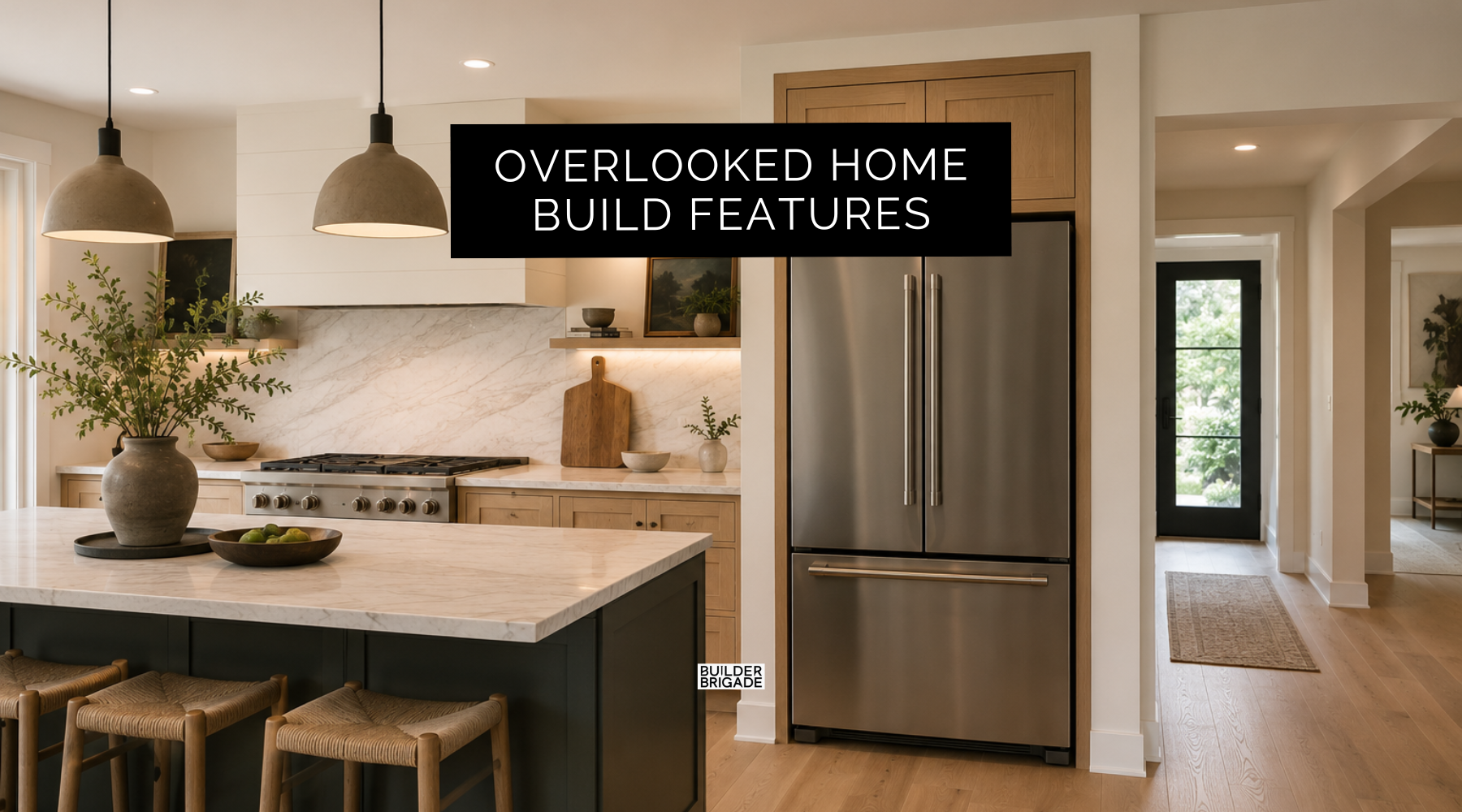
If you want the built-in refrigerator look without the built-in price, this is one of my favorite tricks.
Ask your builder to frame a recessed cavity behind the refrigerator using a 2x6 wall. That extra depth allows a standard-depth refrigerator to sit much closer to flush with your cabinets.
It's a simple framing change that can completely change the look of your kitchen.

Add Hose Bibs to All Four Sides of the House
I don't know why this isn't standard.
Most homes get one hose bib in the front and one in the back, which usually means you're dragging a hose around corners every time you need water.
For very little money during plumbing rough-in, you can add one to each side of the house. Whether you're watering landscaping, washing windows, or cleaning the driveway, you'll appreciate having water exactly where you need it.

Install Attic Catwalks
If you're planning to use your attic for storage or need to access HVAC equipment, don't leave yourself walking across ceiling joists.
Adding plywood catwalks creates a safe, solid path through the attic while protecting your insulation from being crushed. It also makes seasonal storage much less of a balancing act.

Upgrade to Solid-Core Bedroom Doors
This is one of the best upgrades for the money.
Most builders install hollow-core doors because they're inexpensive. The problem is they don't block much sound.
Upgrading to solid-core bedroom doors instantly makes your home feel quieter, more private, and more substantial. It's one of those details people notice every day without realizing why the house feels different.

Add Extra Stub-Outs Before You Need Them
If you think you might build something later, prepare for it now.
During rough-in, ask your builder about adding extra water, electrical, or gas stub-outs for future projects like an outdoor kitchen, garden, workshop, shed, pool, or future addition.
The cost during construction is minimal compared to digging everything up later.

The Best Upgrades Usually Aren't the Expensive Ones
I've found that the features people appreciate are the small decisions that quietly make your home more functional, more comfortable, and easier to live in for years to come.
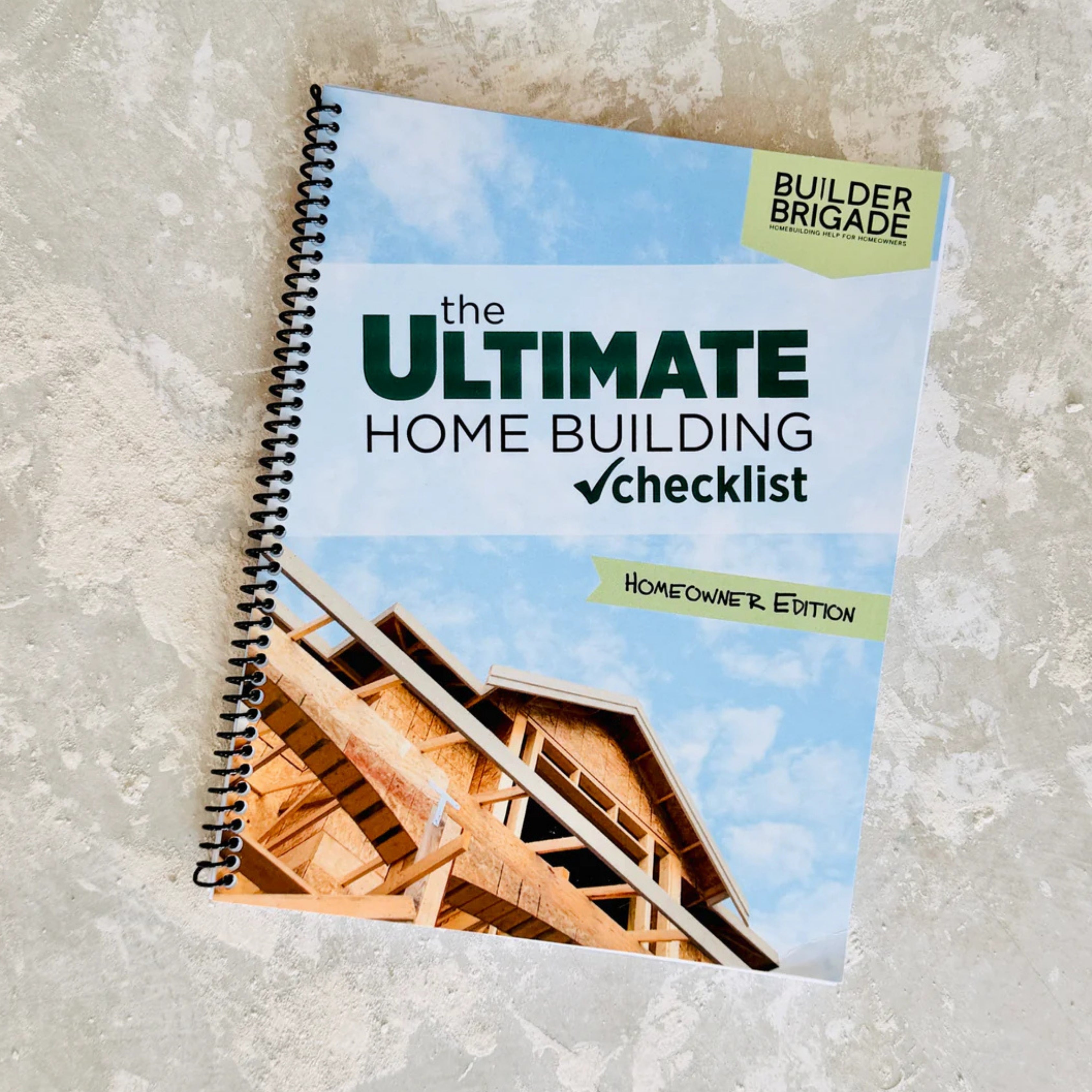
That's exactly why I created the Ultimate Home Building Checklist. I organized hundreds of upgrades like these by construction phase, so you know what to ask for before the opportunity passes.