

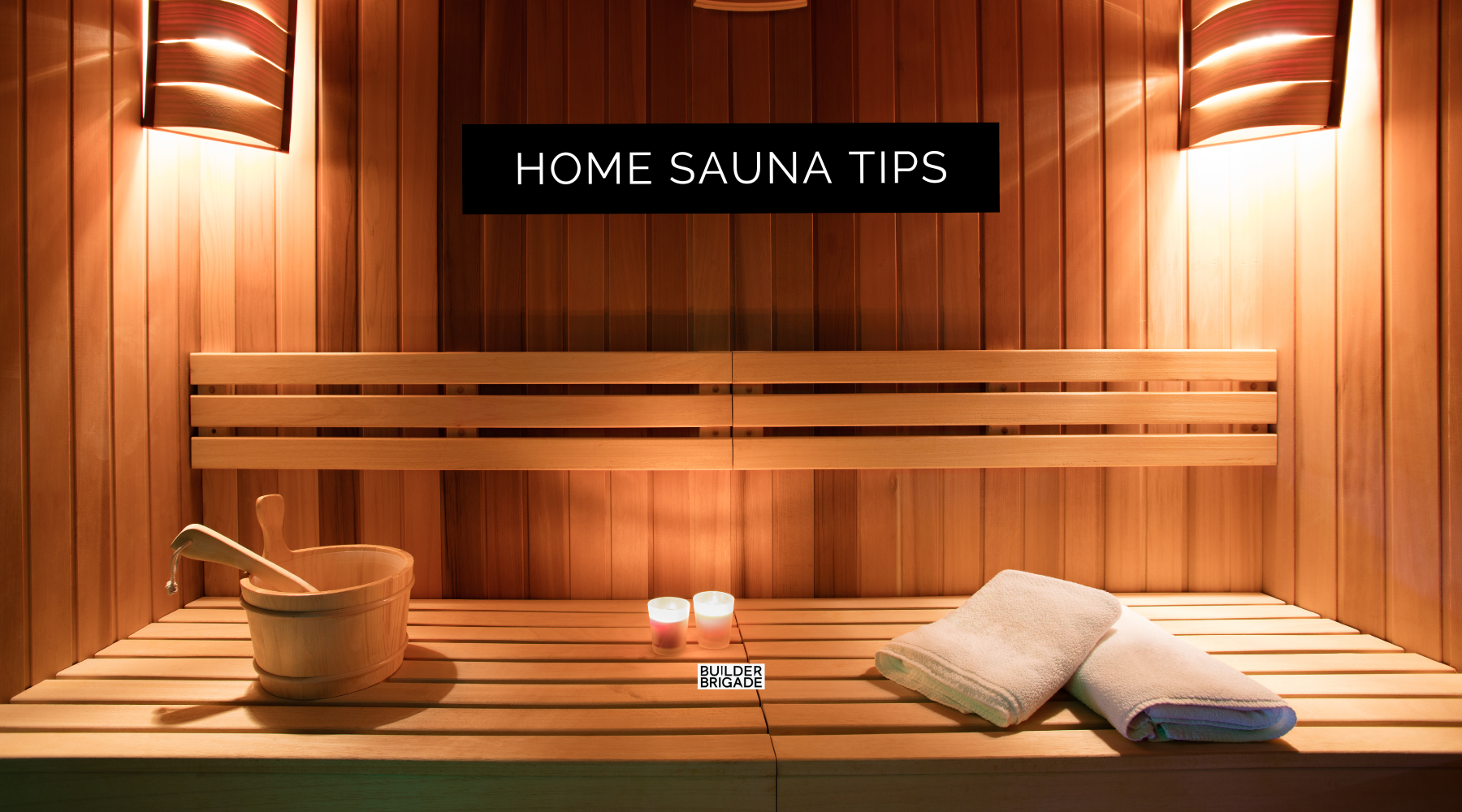
I didn’t buy a sauna thinking it would become a regular part of my routine. But it did. If you’re even considering one, here’s everything I learned after actually living with it.

Smaller Is Actually Better
Most people assume bigger is better, but with saunas, it’s the opposite. Our sauna is technically a 3-person model, but if I’m being honest, we almost never use it with more than one person. My wife and I tried going in together a few times, but it was more distracting than relaxing. These days, it’s just me in there. It heats faster, uses less power, and gives you more consistent temperature control. Unless you’re hosting regular sauna parties, go smaller.
Skip infrared. Get a real heater.
Infrared saunas get a lot of hype because they’re cheap and easy to install. But they don’t compare to a traditional sauna with a proper heater and rocks. With a real heater, you can crank it up, toss water on the rocks, and get that satisfying wave of steam and heat you expect from a sauna. The whole experience feels more authentic. If you’re going to invest in a sauna, go all in and get the kind that actually feels like one.

Ask for the Biggest Heater They’ll Allow
Heater size matters way more than I expected. We ended up with an 8kW heater, but it wasn’t even listed as an option on the site. I had to call the company and specifically ask for it. A bigger heater gets the space hot faster and doesn’t struggle to keep it there. When you’re standing around in a towel waiting for your sauna to heat up, you’ll wish you had gone bigger.
External or Remote Controls Make All the Difference
Being able to turn your sauna on from the outside is a small luxury that becomes a huge benefit. Ours has remote control access, which means I can start heating it from my phone 30–45 minutes before I want to use it. By the time I’m ready to hop in, it’s already at temp. If you can swing it, go for smart controls or at least an external control panel.

Add a Floor
Our sauna didn’t technically need a floor, but adding one changed everything. It made the space feel more finished, more solid underfoot, and less like a DIY shed. A floor also helps with cleanup, the dirt stays under the wood planks instead of sticking to your feet.. It’s one of those things you might overlook at first, but once it’s in, you’ll be glad you did it.
Setup Is Very Doable (but not brain-dead easy)
Installing the sauna wasn’t the hardest project I’ve tackled, but it wasn’t plug-and-play either. I’d call it mid-level DIY. If you’ve ever put together furniture, used a power drill, or survived a particularly confusing IKEA dresser build, you’ll be just fine. Most of it is straightforward but it’s just time-consuming. Don’t expect to knock it out in an hour, but you also don’t need to hire a pro if you’re comfortable with the basics.

Plan for 240V Power From the Start
A proper sauna heater runs on 240V, which means you’ll need dedicated electrical. This isn’t something you want to retrofit later. Plan it early, especially if your sauna is going in the garage or a detached structure. Have your electrician run the 240V line and hook up the heater wiring while they’re doing the rest of the house or garage setup. It’ll save you time, money, and stress.
Don’t Skip Ventilation
Heat and moisture in a small space equals mold if there’s no airflow. We started noticing condensation and early signs of mold way sooner than we expected. Wherever you’re placing your sauna, make sure it has some way to breathe. Whether that’s a vent, a fan, or just good circulation, it matters more than people think. I learned this one the hard way.
Want More Upgrades Like This?
Smart planning makes a huge difference, especially for things like saunas, outdoor buildings, utility lines, and electrical access. That’s why I put everything into my Ultimate Home Building Checklist. It’s packed with practical tips for every phase and helps you catch the things most homeowners only learn the hard way.