

Once drywall goes up, everything disappears.
A pre-drywall inspection is your last chance to catch any mistakes or ensure your selections are prepped and ready behind the walls.
Plumbing and Electrical Protection Plates
Those thin metal plates you see on studs are there for a reason.
They protect plumbing and electrical lines from nails and screws later on. Without them, someone can easily hit a pipe or wire when hanging a TV, cabinet, or shelf.
Once drywall is installed, you have no idea what’s hiding behind the wall. One simple trick is to mark areas to avoid on the floor before drywall goes up. That way you know where not to drill later, this only applies during construction because it gets covered with flooring.

Termite Protection
Your build might include termite treatment.
The bottom two feet of the framing will be stained with a green dye that’s mixed with a pesticide treatment. That visible staining is how you confirm it’s actually there.
Once drywall covers it, there’s no going back so if this is important to you, ask about it early. I personally think it’s cheap insurance and well worth the additional cost.

Record the Walls
You don’t need an expensive 3D scan. Your phone is enough. Walk through every room and slowly record a 360 degree video of each wall and ceiling.
Later, when you’re mounting a TV or drilling into a wall, you’ll know exactly where pipes, wires, and framing are. It’s way better than accidentally anchoring into the second floor toilet drain.
Add Blocking Everywhere You Might Need It
Blocking is just scrap wood installed between studs to create solid mounting points.
This is how you avoid relying on drywall anchors forever. TVs, cabinets, towel bars, handrails, shelving… all of those are easier and stronger when blocking is already in place.

Check Insulation in All the Right Places
Insulation crews move fast. And sometimes things get missed. Double check that insulation is installed behind blocking and in any ceiling bays that might have been skipped.
Bare spots are easy to overlook and hard to fix later.
If you want better sound control, consider adding insulation in interior walls as well. Especially around bedrooms, bathrooms, and offices. It’s one of the easiest ways to reduce noise transfer.
This Is Your Last Easy Chance
A pre drywall inspection is your final opportunity to make sure everything behind the walls is right.
Drywall hides everything. And once it’s up, changes come with delays and extra cost.
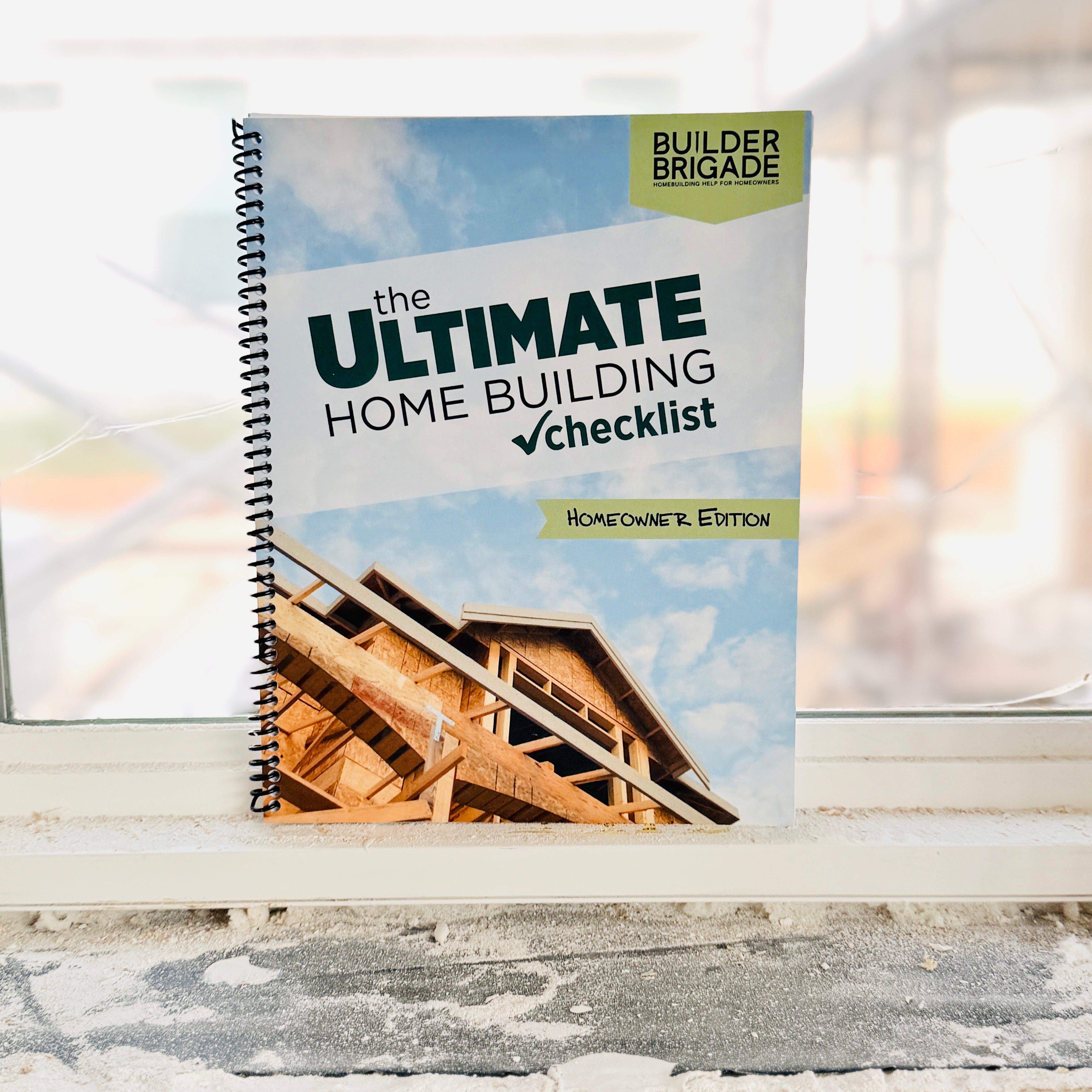
If you’re serious about building a house and don’t want to miss details like this, get The Ultimate Home Building Checklist. It walks you through exactly what to verify before drywall, and every phase after, so you can catch issues early instead of fixing regrets later.